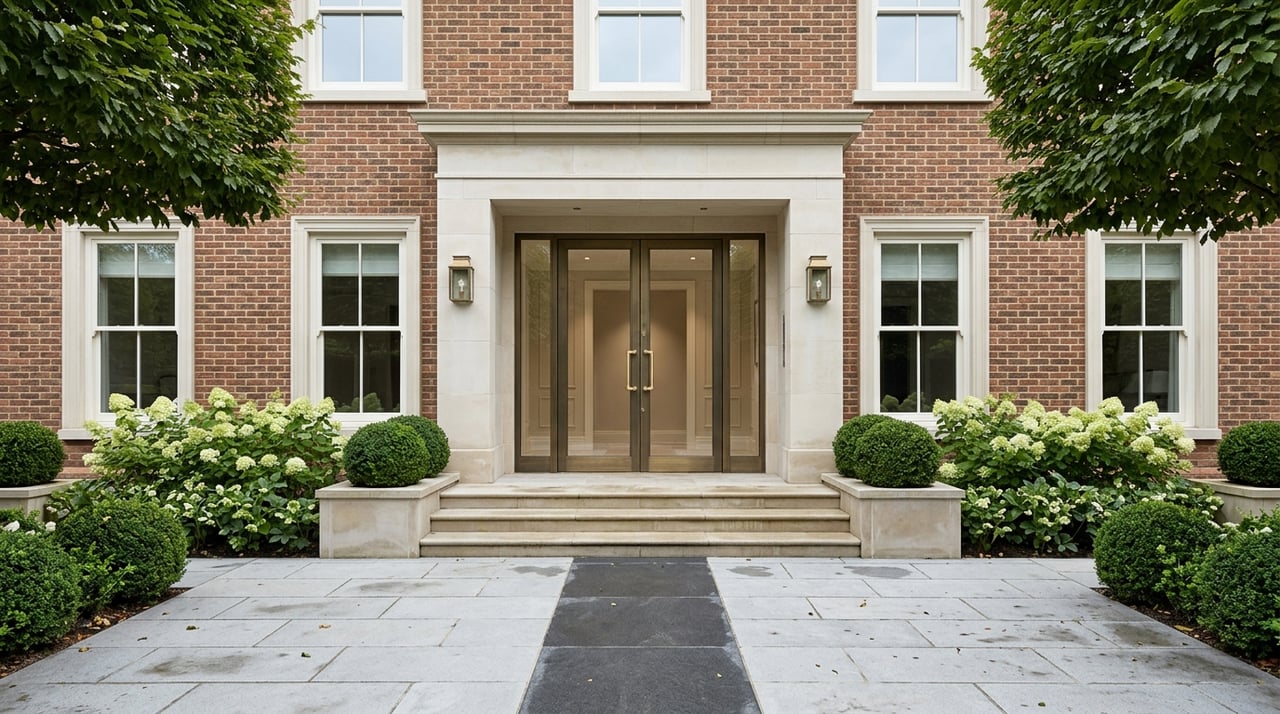
Thinking about simplifying your life without giving up comfort, culture, or a flexible NYC commute? If you’re eyeing New Canaan for its village feel and lock-and-leave convenience, you’re in good company. Many rightsizers choose townhomes and condos here for easy maintenance, walkability, and thoughtful amenities. In this guide, you’ll learn what types of homes are available, how to match them to your lifestyle, and what to check in any condo or HOA before you buy. Let’s dive in.
Why New Canaan fits downsizers
New Canaan blends small-town charm with practical benefits for everyday living. The town has about 21,160 residents, with roughly 16% aged 65 and older, which points to an established base of rightsizers who value convenience and community life. You can confirm the latest population snapshot on the U.S. Census QuickFacts for New Canaan. See QuickFacts data.
Two Metro-North stations, New Canaan and Talmadge Hill, connect to the New Canaan Branch and on to Grand Central via Stamford. Door-to-door commutes to Manhattan often range from about an hour to 80–90 minutes depending on your train and transfer. For real-world timing comparisons, review this Fairfield County commute guide.
Lifestyle is a major draw. If daily walks and low-key culture are on your list, Waveny Park’s 250+ acres and the Carriage Barn Arts Center deliver year-round recreation and programs. You can preview trails, facilities, and events at the Waveny Park Conservancy site. For many buyers, being able to head out for a class or exhibit without a big drive is a big win.
Care access also matters. New Canaan residents typically use Stamford Hospital and Norwalk Hospital for acute care. Explore nearby hospital profiles and services through this regional hospital resource. If you or a loved one may want a formal continuum of care, Waveny LifeCare offers independent and assisted living as well as skilled nursing in and near town. Learn more about their offerings via this Waveny LifeCare overview.
What you can buy
Garden and mid-century condos
These multi-building communities typically offer ranch-style or simple townhouse layouts with shared grounds, and sometimes a pool. Many attract buyers seeking single-level living, minimal exterior upkeep, and in-town convenience. Well-known examples include Oenoke/Heritage Hill. As a general orientation, recent local examples have shown smaller one-bedroom units from the high $300k to around $450k, with 2–3 bedroom homes often higher depending on updates and location.
Townhouse-style condominiums
If you like the feel of a house without the exterior chores, look at attached townhomes with garages and private decks/patios. The HOA usually covers exterior maintenance and grounds, which keeps your to-do list short. Communities like Coachman’s Square, Leefair, and Pride’s Crossing put you close to downtown or a short drive away. Mid-size 2–3 bedroom townhomes commonly run in the roughly $650k to $1.3M range depending on size, finishes, and proximity.
Boutique in-town luxury
Prefer a refined, smaller building close to Main Street? Boutique and infill projects, including some conversions, deliver high-end finishes and elevator access with a best-in-town location. Examples like Richmond Mews showcase this style. Premium in-town condos can reach the high six to seven figures based on size and level of finish.
Senior and continuing-care options
While not condo ownership, New Canaan’s Waveny LifeCare Network offers independent living, assisted living, and skilled nursing, which is helpful if you prefer a defined care pathway nearby. Explore the continuum of care through this Waveny LifeCare resource.
Small conversions and two-unit buildings
You’ll also find small conversions and older two-unit properties across town. Governance can vary depending on when the property was created and under which statute. If you consider these, review the applicable Connecticut condominium laws and acts. Start with the Connecticut Judicial Branch condominium law page and consult your attorney for specifics.
Walkability and lifestyle
In-town convenience
If daily errands, coffee, and dining on foot are priorities, focus on “in-town” addresses near Main, Park, and Bank Streets. Many downtown blocks score well for walkability, with individual addresses often in the 70–90 range on Walk Score. Check examples for yourself on the New Canaan Walk Score map.
Lock-and-leave ease
Condo and townhome associations in New Canaan often include exterior maintenance, landscaping, trash, snow removal, and sometimes certain utilities or a portion of insurance in the common charges. The result is true lock-and-leave living if you travel or split time in warmer months. Always confirm the exact inclusions in the budget, bylaws, and rules.
Parks and programming
For low-impact recreation and community, Waveny Park and the Carriage Barn Arts Center host walking paths, art shows, classes, and performances. The Lapham Community Center near Waveny offers additional programs and social opportunities. Browse current happenings and park details via the Waveny Park Conservancy.
Budgeting and market context
New Canaan is an affluent market with single-family home values often in the multimillion-dollar range. That is one reason many buyers explore condos and townhomes to rightsize into lower-maintenance living and a central location. As orientation only, older one-bed garden units can start in the high $300k range, mid-size 2–3 bedroom townhomes are often in the $650k to $1.3M band, and boutique in-town condos can reach the high six to seven figures depending on size and finish. Actual pricing will vary with inventory, condition, and proximity.
HOA fees vary widely. Some communities include a broad list of services, while others include fewer line items. To compare apples to apples, request the budget, current financials, reserve study, and the association insurance certificate. The Connecticut Department of Consumer Protection’s Condominium FAQs outline what to review and why it matters.
Your due diligence checklist
Association documents to request
- Declaration, Bylaws, Rules and Regulations
- Meeting minutes for the last 12 months
- Current year operating budget and year-to-date financials
- Most recent reserve study
- Master insurance certificate (to understand what the association insures)
The state’s consumer guide explains these materials and your rights as a buyer. Review the Connecticut Condominium FAQs with your attorney.
Key questions to ask
- Are there any special assessments planned or recently approved?
- What major capital projects were recently completed or are upcoming?
- What are current owner delinquency levels and is there any pending litigation?
- Are there rental or age restrictions that could affect your plans or resale?
For definitions and context, reference the state’s Condominium FAQs.
Reserves and financial health
Ask when the last reserve study was completed and whether current reserves align with upcoming capital needs. Low reserves can lead to assessments. Your attorney can also confirm statutory obligations and how the recorded declaration governs your rights.
Practical livability checks
- Floor plan and accessibility: If single-level living is key, prioritize ranch layouts or elevator buildings. Check entry steps, doorway widths, and bathroom clearances.
- Storage and parking: Confirm storage options, assigned parking, guest parking rules, and any garage or storage deeded rights.
- Pets and lifestyle rules: Read the pet policy closely, including size and number limits, and ask how the association enforces rules. The state’s Condominium FAQs explain typical policy areas.
Financing and insurance
- FHA/VA buyers: Ask your lender early about project approval or single-unit approval options for condos. Learn how single-unit approval works from this FHA condo approval explainer.
- Insurance: Price an HO-6 policy and confirm whether flood or extra hazard coverage is required. Associations maintain master policies, but each owner’s coverage responsibilities differ. The Connecticut Office of Legislative Research outlines common master policy requirements in this insurance overview.
Moving support and timeline
Start decluttering months in advance. Break tasks into weekly steps, donate early, and label what comes with you. AARP’s guide offers a helpful roadmap for downsizing and moving. Review the AARP decluttering checklist.
Meet the community
Attend a board meeting and, if possible, speak with a few residents. You will learn more in one hour about responsiveness, upkeep, and community norms than you can from documents alone. For tips on engaging with associations, see the state’s Condominium FAQs.
Sample rightsizing paths
One-level near the village
You want a single-story layout with minimal stairs, a short walk or quick drive to Main Street, and modest monthly fees that include exterior care. A ranch-style unit in a garden community can check these boxes and keep your budget focused on updates that matter to you.
Townhome with a garage
You prefer a house-like layout, private outdoor space, and an attached garage. A well-located townhouse-style condo close to a train station delivers flexible living with lower exterior upkeep. If you travel seasonally, ask about snow removal timing and included services.
Next steps
If you’re considering a move to New Canaan, you do not have to navigate options, documents, or logistics alone. A thoughtful plan starts with a conversation about your daily routine, accessibility needs, travel habits, and budget. From there, you can focus tours on the right buildings and request the association materials that matter. When you are ready, reach out to schedule a personalized consult with Khuzama "Kay" DaCosta. You will get clear guidance, cross-border insight for Lower Westchester and Fairfield County, and concierge support from search to closing.
FAQs
How long is the NYC commute from New Canaan?
- Door-to-door peak commutes often range from about 60 to 80–90 minutes, depending on the train and transfer at Stamford. See real-world timing in this Fairfield County commute guide.
What do HOA fees typically include in New Canaan condos?
- Many include exterior maintenance, landscaping, trash, snow removal, and sometimes certain utilities or insurance components; confirm specifics in the budget, bylaws, and rules outlined by the state’s Condominium FAQs.
Are there age-restricted options in or near New Canaan?
- Dedicated senior living is available through Waveny LifeCare’s independent and assisted living and skilled nursing; these are not condo ownership but provide a continuum of care if that fits your needs. Explore details on Waveny LifeCare.
How walkable is downtown New Canaan for condo residents?
- In-town addresses near Main, Park, and Bank Streets often score in the 70–90 range on Walk Score, giving you easy access to shops, dining, and services; check the Walk Score map.
What documents should I review before buying a condo?
- Request the declaration, bylaws, rules, 12 months of minutes, current budget and financials, the reserve study, and the master insurance certificate; the state’s Condominium FAQs explain why each matters.
Can I use FHA or VA financing to buy a condo here?
- It depends on project approval or single-unit approval; ask your lender early. This FHA single-unit approval guide explains how eligibility works.
Which hospitals serve New Canaan residents?
- Stamford Hospital and Norwalk Hospital are the primary options for acute care; review nearby providers and services using this regional hospital profile.