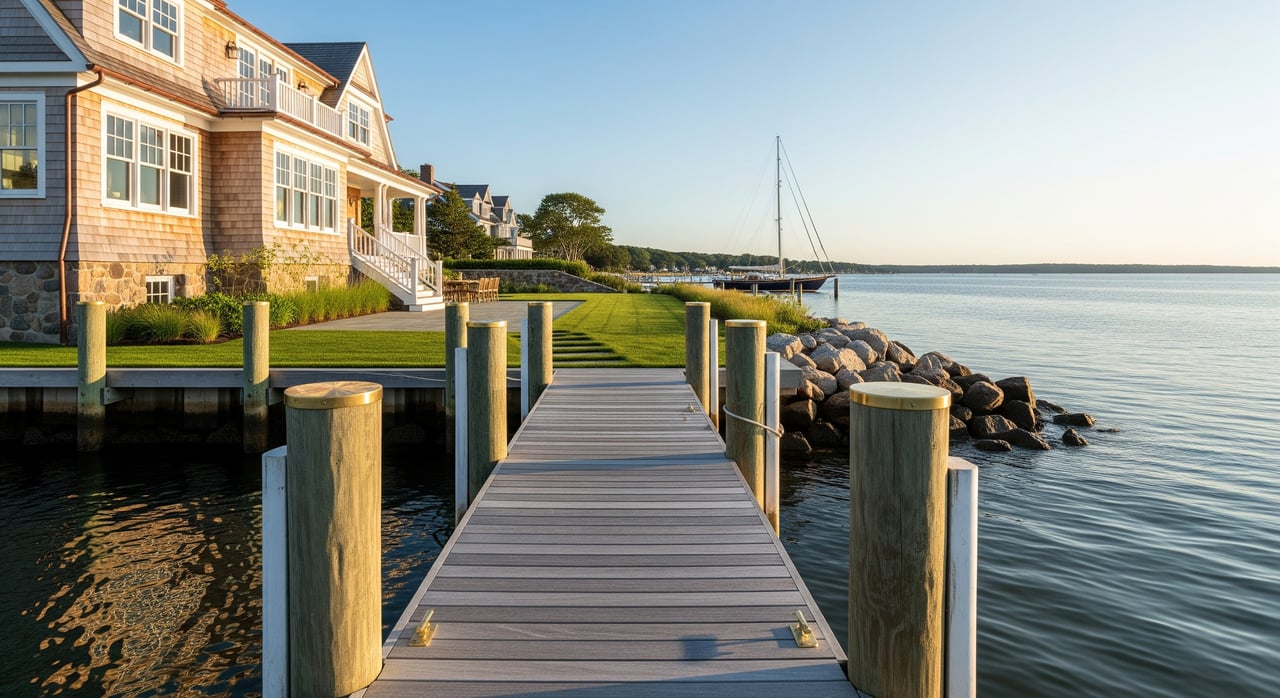
Salt air, sandy toes, and sunsets over the Sound — if Westport’s waterfront lifestyle is calling, you’re not alone. You want the beach and boating, but you also want clarity on commute options, housing types, and what flood insurance really means. This guide gives you a clear, practical overview of Westport’s main waterfront areas, day-to-day lifestyle differences, common buyer tradeoffs, and the due diligence that protects your investment. Let’s dive in.
How Westport’s waterfront is organized
Westport sits on Long Island Sound with the Saugatuck River flowing through town to the harbor. You’ll find three broad types of waterfront settings: Sound-facing shorelines and beaches, river and harborfront areas, and homes along tidal creeks or marshes. Each offers a distinct mix of access, views, privacy, and practical considerations.
Sound-facing shores: Compo and enclaves
Compo Beach is the town’s best-known public beach and a lifestyle anchor for many buyers. Streets near Compo often provide walkability to the sand, which is ideal if your routine includes morning beach walks or sunset swims. Parking rules, seasonal lifeguards, and amenities are managed by the town’s Parks & Recreation, and policies can change year to year, so you’ll want to check current details when you’re serious about a specific block.
Outside the immediate Compo area, there are quieter shoreline pockets along the Sound. These enclaves can feature a mix of older cottages and newer custom homes, sometimes with private shoreline or access to smaller coves. You trade proximity to shops for a more secluded coastal feel.
Saugatuck River and harborfront
The Saugatuck River and harbor form Westport’s boating hub. Riverfront homes and condominiums place you close to marinas, dining, and the train station. If you want to step off the train, grab dinner by the water, and be home in minutes, this cluster is a strong fit. Expect more seasonal activity near the marinas and restaurants compared with quieter beach blocks.
Tidal creeks and quiet coves
Some homes back onto tidal creeks, marshes, or small ponds connected to the Sound. These settings often offer water views, birdlife, and privacy. They can be a great choice if you love a natural backdrop and don’t need immediate open-Sound access for a larger boat. You’ll still want to understand local flood dynamics and any wetlands setbacks before you plan outdoor improvements.
Beach, marina, and daily life
Compo Beach access
Living near Compo Beach shapes everyday life. You can walk or bike to the water, plan easy family beach time, and enjoy amenities like bathrooms, snack stands, and playgrounds in season. Resident permits and parking rules apply, and lifeguard hours are seasonal. If you’re eyeing a specific street, confirm whether you’ll realistically walk or if you’re likely to drive, especially with strollers or beach gear.
Boating and slips on the Saugatuck
If boating is central to your lifestyle, focus on how you’ll access the water. The harbor area includes private marinas with seasonal slips and moorings, and availability often depends on wait lists. Some homes include private docks, which can be a major convenience and cost saver. Tidal depth and draft limitations vary along the river, so the size and type of boat you own may influence which blocks work best. Launch ramps, transient dockage, and fuel or service are typically centered around the harbor area.
Commute and convenience
Westport’s Metro-North station on the New Haven Line is a major asset for commuters. Properties near Saugatuck can offer short or walkable access to the station and nearby restaurants. Homes near Compo are generally a short drive away. For drivers, I‑95 and local roads serve the shoreline, and summer beach traffic can affect timing, especially on fair-weather weekends.
Walkability and amenities
Saugatuck Village offers a cluster of restaurants, galleries, and marina-adjacent spots. If you want a lively, walkable scene, it’s a good match. Beach neighborhoods prioritize the water over retail, so most errands will involve a quick drive. Street width, sidewalks, and parking vary block by block, and those details can matter when hosting guests or moving gear to and from the beach.
Housing types and buyer tradeoffs
What you’ll see on the market
Westport’s waterfront includes a range of styles and ages. You’ll find renovated former summer cottages, classic shingle-style and colonial homes, and modern new construction on prime lots. Near the river and harbor, condos and multifamily buildings appear more frequently. Some properties offer private docks, others provide shared community access, and many prioritize views without direct water access.
What drives price
On the waterfront, the premium depends on location and attributes. Key drivers include:
- Direct water frontage versus view-only or second-row locations
- Private dock or guaranteed slip versus community access or none
- Flood elevation, construction on pilings, and other mitigation work
- Lot size, buildability, and any wetlands or coastal setbacks
- Recent renovations that add resilient features and reduce future maintenance
To understand value, compare recent sold prices within the last 6 to 12 months for similar settings and features. Your agent can pull the most current data from local MLS sources and town records so you can calibrate your budget.
Common tradeoffs to weigh
- Cost versus access: You can pay a premium for direct shoreline or choose a walk-to-beach location a street or two inland to stretch your budget.
- Maintenance versus lifestyle: Seawalls, bulkheads, docks, and exposure to coastal weather can increase upkeep compared with inland homes.
- Insurance and mortgage: Flood zone and elevation can affect insurance costs and lender requirements. Plan for these early.
- Privacy versus activity: Harbor and marina settings offer vibrancy and convenience. Quieter coves and shoreline pockets provide seclusion but may be farther from shops and the train.
Other practical factors
Sewer connections vary by street, and some waterfront lots rely on septic systems. Confirm capacity and requirements with the town’s health department before planning renovations or expansions. Certain areas may include historic-district or design-review considerations that shape exterior changes. Because coastal parcels can involve mean high water line boundaries and public access easements, a current survey is essential before you commit to site work or rebuilding.
Flood risk, insurance, and permits
Connecticut’s coastline faces tidal flooding, storm surge, and long-term sea-level rise. Flood risk is highly site specific, and two houses a few blocks apart can have very different exposures. Understanding zone, elevation, and mitigation will help you balance lifestyle and protection.
Flood zones and elevation
FEMA Flood Insurance Rate Maps classify areas into zones. AE zones indicate high risk, and VE zones add a coastal velocity hazard from wave action. Base Flood Elevation (BFE) provides a reference for how high water is projected to rise during a base flood. An Elevation Certificate records a home’s elevation relative to BFE and often determines insurance rating. Some towns participate in FEMA’s Community Rating System, which can reduce premiums. Check Westport’s current status as part of your insurance review.
Insurance basics
If you finance a home in a mapped high-risk zone with a federally regulated lender, flood insurance is typically required. You can obtain coverage through the National Flood Insurance Program or the private market. Premiums vary by zone, elevation, age and construction of the home, and any mitigation features. Elevating living space, adding flood vents, or other improvements can reduce risk and, in some cases, premiums. It’s smart to compare NFIP and private quotes and integrate expected costs into your total monthly budget.
Local permits and construction
Coastal work often requires approvals. Westport’s inland wetlands and local planning and building departments regulate projects near shorelines, including seawalls, docks, and new construction. The state’s environmental agency oversees coastal management policies and may have additional permit requirements. The local harbor master typically regulates moorings and navigation. Along the coast, you may see building code requirements for higher finished-floor elevations and specific flood-resilient features.
Buyer due diligence checklist
Use this quick list for any waterfront property you’re considering:
- Confirm the FEMA flood zone and obtain or request an Elevation Certificate.
- Ask for flood insurance history, past claims, and any mitigation work performed.
- Verify permits and condition for seawalls, bulkheads, and any shoreline stabilization.
- Confirm legal status and ownership for docks, moorings, or riparian rights.
- Check for wetlands, tidal marsh adjacency, and reported tidal or surge events.
- Review buildability and setback rules with local planning and building departments.
- Consult an insurance broker experienced in coastal properties for quotes and coverage options.
Which waterfront fits your lifestyle?
- Active boaters: Prioritize river and harbor access, slip or dock availability, and tidal draft considerations for your boat.
- Beach-centric living: Target walkable streets near Compo Beach, understand seasonal parking and hours, and plan around summer crowds.
- Walkable village life: Look near the Saugatuck harborfront where dining, galleries, and the train are close by.
- Privacy seekers: Explore shoreline enclaves or creekfront homes with larger lots and minimal public access, and budget extra time for errands.
A simple first-step plan
Define your non-negotiables. Be clear on commute needs, desired beach or boating access, target home style, and budget including insurance.
Map micro-areas. Compare the Compo Beach blocks, Saugatuck harborfront, and quieter shoreline or creek settings. Visit at different times of day and during different tides.
Pull risk and cost early. Check flood zones, request an Elevation Certificate where available, and get sample NFIP and private flood quotes.
Validate the path to your plan. Review recent sales, time on market, and local permit considerations for any improvements you envision. Align your search with the streets and features that fit your daily life.
Ready to match your lifestyle with the right Westport waterfront? Schedule a complimentary consultation with Khuzama "Kay" DaCosta to create a focused plan, from short-listing micro-neighborhoods to coordinating due diligence and insurance.
FAQs
Do I need flood insurance for a Westport waterfront home?
- If the property is in a FEMA high-risk flood zone and you use a federally regulated mortgage, flood insurance is typically required; many coastal buyers choose coverage even when it is not mandated.
How hard is it to secure a boat slip in Westport?
- Availability varies by marina and season, and private slips often have wait lists; some homes include private docks, while others rely on offsite marina rentals.
Are Westport waterfront homes more expensive to maintain?
- Yes; coastal exposure, seawalls or bulkheads, dock upkeep, and resilient construction features can increase maintenance compared with inland homes.
Can I rebuild a storm-damaged coastal home in the same footprint?
- It depends on current codes and permits; elevation standards and coastal or wetlands regulations may require changes, so confirm with local building and environmental authorities.
Is sea-level rise an immediate concern for buyers?
- It’s a long-term risk that informs planning and insurance; near-term decisions should focus on current flood zones, elevation, and mitigation, with an eye on reputable long-range resources for context.