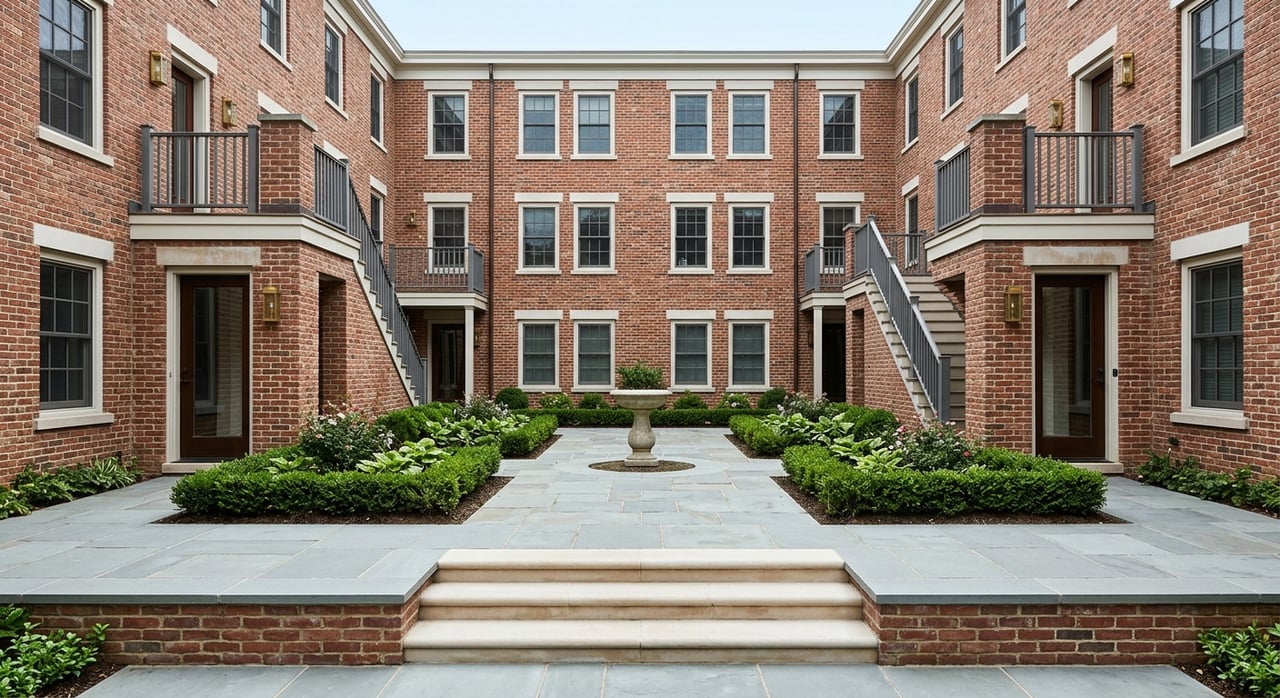
Choosing between a high-rise and a garden-style home in White Plains can shape your daily routine more than you might think. If you are weighing commute time, amenities, outdoor space, or the realities of co-op versus condo ownership, it helps to understand how this market actually works. White Plains offers a true mix of downtown towers and lower-rise campus-style communities, so you have real choices. Let’s dive in.
Why White Plains Offers Both
White Plains is not a one-note housing market. According to state planning materials, the city is a downtown transit and retail center with housing that ranges from single-family homes to luxury high-rise buildings.
That mix is a big reason this comparison matters. In the city’s 2011 to 2015 ACS-based housing data, 45% of units were in structures with 20 or more units, yet White Plains also has established garden-style and campus-style co-op communities. For buyers, that means your decision is less about what exists and more about which lifestyle fits you best.
High-Rise Living in White Plains
High-rise living in White Plains is most closely tied to downtown and the station area. If you want an elevator building, a more service-oriented setup, and easy access to shopping, dining, and transit, this is often where your search starts.
Many downtown towers also come with a wider amenity package than lower-rise buildings. Local examples show features such as pools, fitness centers, resident lounges, terraces, business spaces, dog-friendly features, and full-service staffing.
What the high-rise lifestyle feels like
A White Plains high-rise often supports a more streamlined routine. You may have a doorman, on-site staff, package handling, shared social spaces, and indoor amenities that reduce the need to leave the building for basic convenience.
For some buyers, that setup feels efficient and easy. It can be especially appealing if you are relocating, downsizing, or balancing a busy work schedule and want a more lock-and-leave style of ownership.
What floor plans are usually like
High-rise units in White Plains often lean toward efficient one-, two-, and three-bedroom layouts. Research examples in the local market highlight open-concept interiors, in-home laundry, balconies or patios, desk nooks, and updated finishes.
That does not mean every unit feels small or uniform, but towers often prioritize smart use of space. If you care more about convenience, building services, and a central location than a highly unconventional layout, a high-rise may fit well.
Why commuters often start with towers
If your routine includes Metro-North, high-rises are often the most station-oriented option. The MTA identifies White Plains as an accessible Harlem Line station, and city planning materials describe White Plains as a transit hub with an express ride of about 30 minutes into Manhattan.
Some downtown buildings actively market that convenience. For example, The Tower at City Place states that it is about a 12-minute walk to the station and describes a roughly 35-minute express train commute to Grand Central. If commute ease is near the top of your list, high-rise living often deserves an early look.
Garden-Style Living in White Plains
Garden-style living offers a different rhythm. In White Plains, this housing type often shows up in established co-op communities or lower-rise properties with more landscaped grounds and a more spread-out layout.
If a tower feels too vertical or too amenity-driven, garden-style living may feel more comfortable. It often appeals to buyers who want a residential setting with more direct outdoor access and a less downtown-centered feel.
What the garden-style lifestyle feels like
Local examples help show the range. Bryant Gardens is described by the city as a 409-unit co-op made up of 15 garden-style apartment buildings on a 22-acre campus, while The Broadlawn features multiple buildings, landscaped property, and shared outdoor gathering areas.
That kind of setup can create a more open and campus-like experience. Buyers often look at these communities when they want more green space, a quieter setting, or a building that feels less like a tower and more like a residential enclave.
What floor plans can look like
Garden-style homes in White Plains often offer more variation from unit to unit. The Broadlawn, for example, notes that its units may include garden patios, balconies, fireplaces, and duplex layouts.
That flexibility can matter if you want something with more character or a less standardized layout. Instead of comparing only square footage, you may find yourself comparing features like private entrances, outdoor access, or unique interior configurations.
What commuters should keep in mind
Garden-style communities can still work for commuters, but the convenience tends to be more building-specific. The Broadlawn says the White Plains Metro-North station is within walking distance, while larger campus-style communities may require you to verify the exact walk, parking setup, and transit access for the specific building.
In practical terms, garden-style living may trade some immediate station convenience for more grounds and a less downtown setting. That does not make it better or worse. It simply means you should test the location against your real weekday routine.
Co-op vs Condo Matters Too
In White Plains, the high-rise versus garden-style question often overlaps with another one: co-op or condo. That ownership structure affects how you buy, what monthly charges mean, and what your approval process may look like.
The New York State Attorney General explains that when you buy a co-op, you purchase shares in a corporation and receive a proprietary lease for the apartment. Co-op owners pay maintenance charges based on the number of shares allocated to the unit.
Why this matters in your search
Many garden-style communities in White Plains are co-ops, while many downtown towers are condos or condo-style residences, though you should always confirm the exact structure of the building you are considering. This is one reason two homes with similar asking prices can feel very different once you review monthly costs and building rules.
If you are buying in a co-op, preparation matters. This is where experienced guidance can make the process feel far more manageable, especially if you are also relocating or buying under a tight timeline.
How to Compare Monthly Charges
One of the biggest mistakes buyers make is comparing monthly charges without asking what those charges actually cover. The offering plan for a building can spell out important details such as recreational facilities, landscaping, unit amenities, common charges, and assessments.
That means a higher monthly number is not automatically a downside, and a lower one is not automatically a bargain. You need context before you can make a useful comparison.
Look beyond the headline number
The Attorney General also notes that existing buildings always need repairs, and some of the most expensive building-wide items involve façades, roofs, elevators, plumbing, electrical systems, and boilers. Those costs can shape the financial picture of both towers and lower-rise communities.
For buyers, the smarter question is not just, “What is the monthly charge?” It is, “What does it cover, how strong are the building finances, and is major capital work likely in the near future?”
A Simple White Plains Buyer Checklist
If you are deciding between high-rise and garden-style living in White Plains, focus on a few practical filters first.
- Compare the exact commute from each building you are considering.
- Confirm whether the property is a co-op or a condo.
- Review what the monthly charge actually covers.
- Ask for the offering plan, financial statements, board minutes, and any posted violations.
- Consider whether you want elevator living and amenities or more green space and direct outdoor access.
- Measure the building against your real daily routine, not just the photos.
Which Option Fits You Best?
There is no universal winner in White Plains because the city offers both lifestyles for a reason. The right choice depends on how you live, how you commute, and how comfortable you feel with the building’s ownership structure and financial picture.
A high-rise may fit best if you want
- Stronger station convenience
- Downtown walkability
- Elevator living
- A broader amenity package
- A more service-oriented building experience
A garden-style home may fit best if you want
- More green space
- A quieter residential feel
- More direct outdoor access
- A campus-like setting
- Greater variation in floor plans and layouts
A mid-rise hybrid may be worth considering
Some buyers want a middle ground. Brookfield Commons is a useful local example because it combines a lower-rise profile with shared amenities and multiple bedroom sizes, without the scale of a full tower.
That kind of option can be helpful if you want some convenience and amenities but do not picture yourself in a large downtown high-rise. In White Plains, that middle category can open up more flexibility than buyers expect.
If you are comparing White Plains building types and want guidance tailored to your commute, budget, and ownership goals, Khuzama Dacosta can help you narrow the options, review the details, and move forward with confidence.
FAQs
What is the main difference between high-rise and garden-style living in White Plains?
- In White Plains, high-rises are usually more connected to downtown, transit, and larger amenity packages, while garden-style communities often offer more landscaped grounds, a lower-rise setting, and more varied layouts.
Are many garden-style homes in White Plains co-ops?
- Yes, many established garden-style communities in White Plains are co-ops, so it is important to confirm the ownership structure early and review the building’s financials and application requirements.
Are high-rise homes in White Plains better for commuters?
- Often, yes. Downtown high-rises are typically the most station-oriented choice, and White Plains is served by an accessible Metro-North Harlem Line station with express service to Manhattan described by the city as about 30 minutes.
What should buyers review before choosing a White Plains building?
- Buyers should review the offering plan, financial statements, board minutes, any posted violations, the exact commute, and what the monthly charge covers before deciding between buildings.
Can you still walk to transit from a garden-style building in White Plains?
- Sometimes. Some garden-style or lower-rise communities may be within walking distance of the White Plains station, but the experience is building-specific, so you should verify the route, timing, and parking setup for each property.
Is a higher monthly charge in a White Plains building always a bad sign?
- No. A higher monthly charge may reflect more services or amenities, while a lower one may not account for future capital needs, so it is important to understand the building’s finances and upcoming repairs.