Trying to choose between a co-op and a condo in White Plains? You are not alone. If you are buying your first home or downsizing, the differences can feel confusing and high stakes. In the next few minutes, you will get a clear, side-by-side look at ownership, financing, board approval, timelines, and lifestyle trade-offs specific to White Plains. Let’s dive in.
Ownership and monthly costs
Understanding how you own and what you pay each month is the foundation of a smart decision.
Title, taxes, and fees
- Condo: You receive a deed to your unit plus a share of common areas. You pay property taxes directly and common charges to the HOA.
- Co-op: You buy shares in a corporation and receive a proprietary lease for your unit. The building pays property taxes, and you pay maintenance that typically includes your portion of taxes, and sometimes utilities or a share of an underlying mortgage.
Governance and resale
- Co-op: The board has broad discretion on admissions, subletting, renovations, and use rules. Sales transfer shares and the proprietary lease. Title insurance is less standard.
- Condo: The board enforces bylaws but usually has less control over buyer approval. Sales resemble typical real estate closings with title insurance.
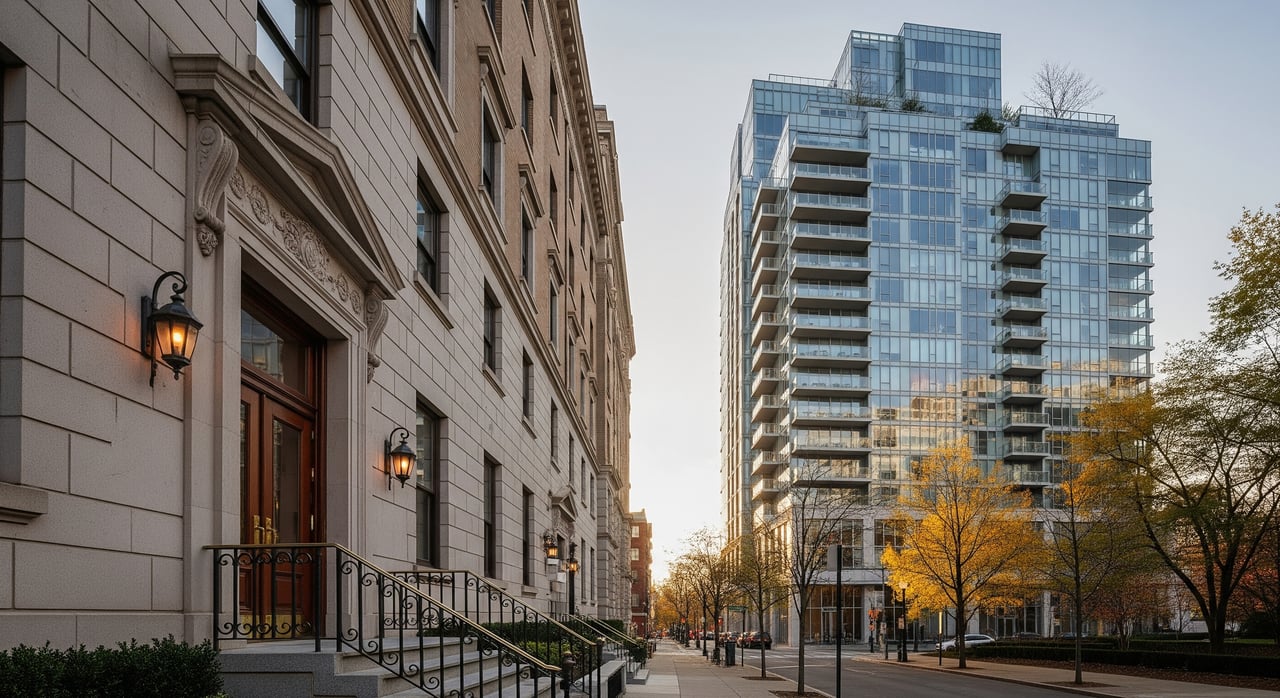
What this means for White Plains: co-ops, often in established buildings, can offer lower prices with more structure. Condos, common in newer downtown developments, usually offer more autonomy and easier resale.
Financing differences
Lenders view co-ops and condos differently, and that affects your down payment and loan options.
Down payments
- Co-op: Commonly 20 to 30% for primary residences. Some buildings require more, and investor purchases may be restricted or need 40 to 50% down.
- Condo: Commonly 10 to 20% with conventional loans. FHA financing can allow as low as 3.5% if the project is FHA-approved. VA financing may also be available for approved projects.
Loan types
- Conventional loans are available for both, but project eligibility and underwriting differ.
- FHA/VA are widely used on condos if the project is approved. FHA/VA financing for co-ops is limited and rare.
- Portfolio lenders (local banks and credit unions) can be helpful for co-ops due to their familiarity with building-level nuances.
Underwriting focus
- Co-op lenders review the building’s financials, reserves, underlying mortgage(s), owner-occupancy, sublet rules, flip taxes, and litigation. Board approval is a key milestone.
- Condo lenders assess master insurance, reserves, owner-occupancy, litigation, and whether the project meets Fannie Mae, Freddie Mac, FHA, or VA criteria if you use those programs.
Practical takeaway: if you want the lowest down payment options, verify condo project approvals early. For co-ops, prioritize lenders who frequently finance Westchester co-ops and understand board timelines.
Board approval and lifestyle
The approval process and building rules shape your day-to-day experience and your closing timeline.
Co-op board approval
- Typical steps: accepted contract, full board package, board review, interview, then board vote.
- Board packages usually include tax returns, bank statements, pay stubs, employer letter, and personal and professional references. Expect application fees.
- Timeline: board review and interview often add 2 to 6 weeks.
Condo approvals
- Many condos require notification or a simple application rather than full board approval. Interviews are rare.
- Approvals, if any, tend to be less intrusive and faster than co-ops.
Rules and lifestyle trade-offs
- Subletting: Co-ops are often more restrictive; condos are typically more flexible, subject to bylaws.
- Renovations: Both can restrict structural or major plumbing/HVAC work. Expect clear procedures and deposits.
- Fees: Buildings may charge flip taxes, transfer fees, and move-in/move-out deposits.
If you value stability and community oversight, co-ops can fit well. If you want flexibility to rent or sell more easily, condos usually align better.
White Plains timelines and closing steps
White Plains has a healthy mix of older co-op buildings and newer condo developments, especially near downtown and the Metro-North corridor. Timelines reflect that mix.
Co-op timeline
- Offer accepted → board package prepared and submitted (1 to 3 weeks) → board review and interview (2 to 6 weeks) → lender approval and co-op bank sign-off → closing.
- Typical total: 45 to 75+ days from accepted offer, depending on financing and board scheduling.
- Closings often occur at the attorney’s office. You will sign stock certificates and assign the proprietary lease.
Condo timeline
- Offer accepted → mortgage underwriting and title work → condo document review → closing.
- Typical total: 30 to 45 days. Cash or well-documented files can be faster.
Attorneys, title, and taxes
- In New York, buyers and sellers typically use real estate attorneys for contracts, escrow, and closing.
- Title insurance is standard for condos. Co-op closings handle corporate share transfers rather than recorded deeds, so title insurance is handled differently.
- Expect standard New York costs such as state transfer taxes and the mansion tax on purchases at or above $1,000,000, plus county/city fees and recording charges where applicable. Your attorney will confirm current amounts.
Buyer checklists
Use these checklists to get ahead of the process.
Co-op buyer checklist
- 2 to 3 years of tax returns
- Recent pay stubs and W-2s or 1099s
- Bank statements (3 to 12 months)
- Letter of employment or offer letter
- Personal and professional reference letters
- Completed co-op application forms and application fee funds
- Lender pre-approval from a co-op-experienced lender
- Brief bio and interview prep (reasons for buying, financing details)
Condo buyer checklist
- Lender pre-approval or proof of funds
- Tax returns and pay stubs for underwriting
- Attorney review of HOA documents, reserves, owner-occupancy, and rules
- If using FHA/VA, confirm project approval status
Shared steps
- Work with an agent experienced in White Plains co-ops and condos
- Consult a New York real estate attorney early
- Ask for building documents: proprietary lease or bylaws, financials, recent meeting minutes, certificate of occupancy history, and any assessments or litigation
- Coordinate lender rate locks with board or HOA timelines
Which is right for you?
- Choose a co-op if you prioritize a lower entry price, a community-focused environment, and predictable building oversight. Be comfortable with board approval and stricter sublet and renovation rules.
- Choose a condo if you want more autonomy, potential access to low-down-payment programs, and easier rental or resale. Expect a separate tax bill and, often, higher purchase prices.
If you are still unsure, compare a few real listings side by side. Look at all-in monthly costs, building financials, rules, and estimated timelines. A short conversation with your lender and attorney can clarify the best fit fast.
Next steps with Kay
You do not have to navigate board packages, project approvals, or closing logistics on your own. Khuzama “Kay” DaCosta offers concierge guidance for both co-ops and condos in White Plains, including hands-on board interview prep, lender introductions familiar with local buildings, and attorney coordination. If you want a smooth, predictable path to the right home, let’s start a plan that fits your goals.
Schedule your consultation with Khuzama "Kay" DaCosta.
FAQs
What is the main legal difference between a co-op and a condo?
- A condo gives you a deed to your unit, while a co-op gives you shares in a corporation plus a proprietary lease for your unit.
How do monthly costs differ between co-ops and condos in White Plains?
- Co-op maintenance usually includes your share of property taxes and sometimes utilities; condos have separate property tax bills plus HOA common charges.
Can I use FHA or VA loans for a White Plains co-op?
- FHA and VA financing for co-ops is limited and rare; these programs are more common for condos if the project is approved.
How long does a co-op purchase take versus a condo?
- Co-ops usually take about 45 to 75+ days due to board review and interviews; condos commonly close in 30 to 45 days.
What does a co-op board package include?
- Expect tax returns, bank statements, pay stubs, employer verification, references, application fees, and a formal interview.
Are subletting rules different for co-ops and condos?
- Yes. Co-ops often have stricter sublet policies, while condos tend to be more flexible subject to their bylaws.