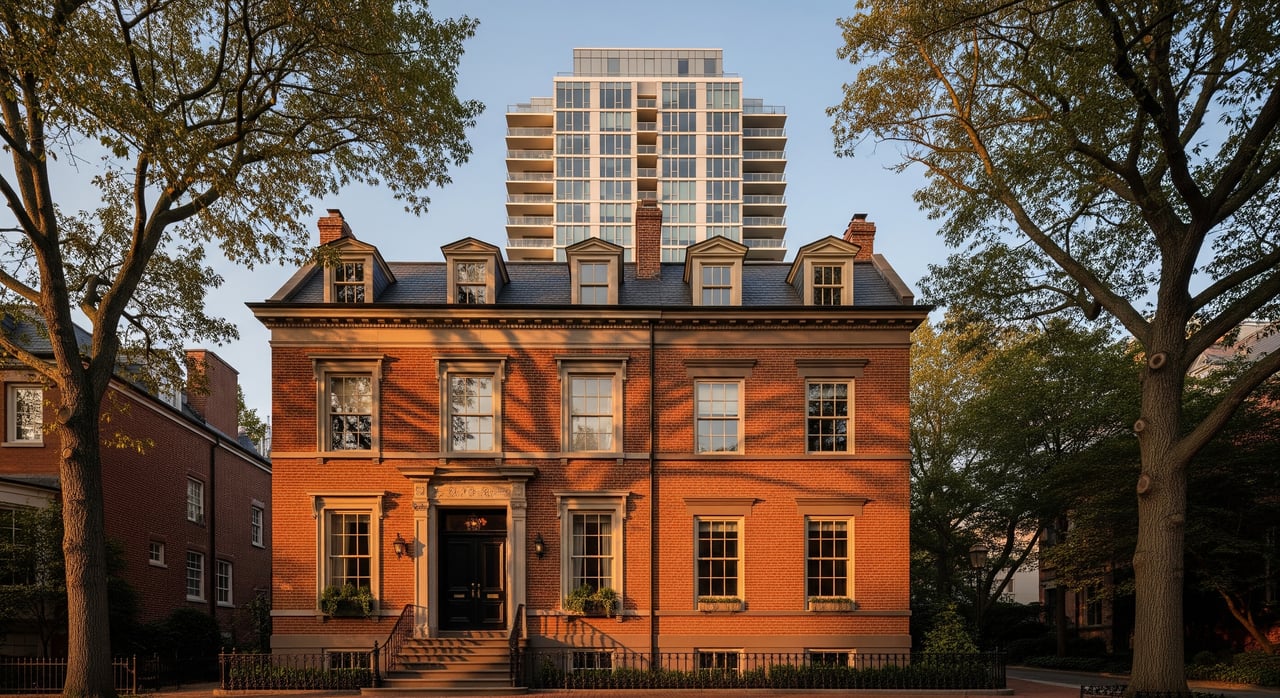
Touring Greenwich and torn between a condo and a townhouse? The two can look similar online, yet they work very differently once you dig into ownership, fees, maintenance, and financing. If you want a smooth move and a smart purchase, understanding these tradeoffs is essential. In this guide, you’ll learn the key differences, what to check in Greenwich, and a practical checklist you can use on tours. Let’s dive in.
Condo vs. townhouse: clear definitions
What a condo means
A condominium is a form of ownership. You own the interior of your unit and share ownership of the building’s common elements like the land, roof, exterior, hallways, and amenities through a condominium association. The association enforces rules and collects fees for shared expenses.
What a townhouse means
A townhouse is a building style with multiple levels and a private entrance. It can be owned in two legal forms. A fee-simple townhouse gives you title to the land and the structure. A condominium-regime townhouse looks like a townhouse but is legally a condo, so the association owns and maintains common elements and collects dues.
Why the label can mislead
“Townhouse” does not always mean fee-simple. In Greenwich, some townhouses are legally condominiums. Always confirm the legal form in the deed and the association documents before you compare costs, insurance, and maintenance.
Connecticut ownership and key documents
Connecticut has a condominium statutory framework, known as the Condominium Act, that governs how condo associations operate and what they must disclose. Townhouses can be fee-simple under an HOA or part of a condo regime under that Act.
Before you make an offer, request and review:
- Declaration or recorded covenants, plus bylaws and rules
- Plat or site plan that shows unit boundaries and common elements
- Recent meeting minutes, ideally 12 to 24 months
- Current budget, reserve study or reserve fund balance, and any audits
- Insurance master policy and evidence of coverage
If you are buying a condo unit, expect a resale or association packet with financials, bylaws, and status details. Also confirm municipal items with the Town of Greenwich, such as zoning, building permits, and any floodplain rules that could affect use or future plans.
Fees, reserves, insurance, and assessments
Association fees can vary widely by building age, amenity level, and whether a townhouse is fee-simple or condo-regime. In Greenwich, higher amenity and waterfront properties often have higher ongoing costs.
What fees usually cover
- Common utilities such as water and sewer
- Exterior maintenance, roofs, siding, and painting for condo regimes
- Landscaping, snow removal, and parking lot upkeep
- Amenities like pools, gyms, or clubhouses
- Management, legal, accounting, and insurance for common elements
- Reserve fund contributions for future capital projects
What drives fees in Greenwich
Key cost drivers include landscaping and snow removal in winter, coastal maintenance needs like salt-air corrosion, older building systems such as elevators and central HVAC, and any staffing like concierge or security. Older structures or deferred maintenance can increase operating costs.
Reserves and special assessments
Healthy associations plan ahead. A reserve study and steady reserve contributions help fund large capital projects. If reserves are thin, owners are more likely to face special assessments. Ask for recent capital projects, the reserve study if available, and any planned or pending assessments.
Insurance basics
- Condo and townhouse-condo regimes usually carry a master policy for the exterior and common elements. You would carry an HO-6 policy for your unit interior, personal property, and liability.
- Fee-simple townhouses usually require an HO-3 homeowners policy for the structure and the land.
- In coastal parts of Greenwich, confirm flood and wind coverage. Check master policy limits and deductibles, and understand what you must cover on your own policy.
Maintenance: who handles what
Your day-to-day workload and long-term costs depend on who maintains the exterior, roof, and grounds.
Typical condominium setup
You handle interior maintenance and any limited common elements assigned to your unit, such as the interior of your balcony. The association usually maintains the exterior, roof, building envelope, shared systems, grounds, snow removal, parking areas, and amenities.
Fee-simple townhouse setup
You are generally responsible for the exterior and interior, including the roof, yard, and driveway. If there is an HOA, it may handle certain shared items like private roads, fencing, or a clubhouse. Some developments shift portions of exterior work to the association, so read the documents closely.
Gray areas to verify
- Exact unit boundaries, especially in older developments
- Items that straddle private and common areas such as chimneys and foundations
- Windows, exterior painting, and siding responsibilities
- Snow removal scope and timing
- Utility lines and who pays for repairs on private versus municipal connections
Cost tradeoffs
Condos often reduce day-to-day owner maintenance but can carry higher monthly dues and the risk of special assessments. Fee-simple townhouses place more responsibility on you and can mean larger one-time expenses for roofs or siding, unless the HOA covers those items.
Financing and resale differences
What lenders look for
Lenders evaluate condo projects as much as they evaluate you. They consider owner occupancy ratios, rental policies, reserves, litigation, and overall project viability. Some programs require project approval. Fee-simple townhouses are commonly underwritten like single-family homes, which can simplify financing. Townhouse condominiums are treated like condos for these purposes.
Buyer pools and resale factors
Condos often appeal to first-time buyers and downsizers who prefer low exterior maintenance and amenities. Townhouses appeal to buyers seeking a private entrance, multi-level living, and sometimes a small yard. In Greenwich, proximity to train lines, town center, parks, and the coast can shape demand regardless of unit type.
Restrictions that matter
Rental caps, approval processes for renters, pet rules, and age restrictions can narrow or shift your future buyer pool. Pending litigation and a history of special assessments can also impact lender interest and resale value. Storage, parking rights, and assigned garage spaces are important to many buyers and can move the needle on price.
Greenwich-specific checks before you buy
- Zoning and future development. Review Town of Greenwich zoning maps and ask about any planned developments nearby that could affect traffic, parking, or neighborhood feel.
- Flood and coastal risk. Parts of Greenwich border Long Island Sound. Confirm flood zone status, elevation, and how shoreline protection costs would be handled in a coastal condo association.
- Snow and salt. Winter plowing and ice control matter for safety and access, and salt can accelerate wear on exteriors and mechanicals.
- Property taxes. Check the latest tax bills and understand how they fit into your monthly budget. Each condo unit typically has a separate assessment.
- Insurance availability. Coastal and high-value properties can face higher premiums or underwriting limits. Verify both the association’s master policy and your expected owner policy.
- Building age and conversions. Greenwich includes older conversions and newer townhouse communities. Older heating, plumbing, and electrical systems have different maintenance needs and capital plans.
Quick buyer checklist for tours
Use this shortlist to stay focused:
- Ownership and legal status
- Is the townhouse fee-simple or part of a condominium regime? Request the deed, declaration, bylaws, and plat.
- Association finances and governance
- Get the current budget, reserve study or reserve balance, and 12 to 24 months of meeting minutes.
- Ask about pending special assessments, planned projects, and the history of fee increases.
- Insurance and risk
- Request the master policy with coverage limits, exclusions, and deductibles. Confirm flood and wind coverage where relevant.
- Maintenance responsibilities
- Clarify who maintains the roof, siding, windows, chimneys, driveways, landscaping, and snow removal.
- Restrictions and use
- Understand rental caps, pet rules, short-term rental policies, renovation approvals, and any age restrictions.
- Litigation and compliance
- Ask about pending litigation or code violations.
- Financing
- Confirm whether the project meets lender and program requirements.
- Resale and marketability
- Ask about deeded parking, storage, and recent local comparable sales.
- Physical condition
- Review recent capital projects and system ages. If systems are shared, ask about elevator and central HVAC status.
- Local context
- Check flood maps, commute options, and noise sources like rail or highway.
Which option fits your lifestyle and budget
Choose a condo if you want less exterior responsibility and you value amenities, predictable exterior upkeep, and professional management. Be sure you are comfortable with the association’s rules and fees, and verify reserves to reduce the risk of special assessments.
Choose a fee-simple townhouse if you prefer a private entrance, more control over your property, and you are ready to handle exterior upkeep. Confirm the HOA’s role, if any, and plan for long-term items like roofs and siding.
In Greenwich, location can outweigh unit type. A condo near the train and town center may outperform a larger townhouse farther out, and the reverse can also be true. Anchor your decision in total cost of ownership, day-to-day lifestyle, and how the association’s health supports your long-term plans.
Get local guidance that saves time
You do not need to sort this alone. I can help you request the right documents, coordinate with your lender and attorney, and compare total ownership costs so you can move with confidence. If you are relocating, we will align your timing, board or association steps, and commute needs to make this transition smooth. Ready to explore Greenwich condos and townhouses that fit your goals? Schedule a complimentary consultation with Khuzama "Kay" DaCosta.
FAQs
What is the main difference between a condo and a townhouse in Greenwich, CT?
- A condo is a form of ownership focused on your interior space with shared common areas, while a townhouse is a building style that can be fee-simple or part of a condominium regime, which changes maintenance, fees, and insurance.
How do association fees typically work for Greenwich condos and townhouses?
- Fees cover shared costs like exterior upkeep, landscaping, snow removal, amenities, management, and reserves, and they vary by age, amenities, and whether the townhouse is fee-simple or condo-regime.
Do I need different insurance for a condo versus a fee-simple townhouse in Greenwich?
- Condo and townhouse-condo owners usually carry an HO-6 policy alongside the association’s master policy, while fee-simple townhouse owners usually carry an HO-3 homeowners policy for the structure and land.
What should I look for in a condo association’s financials before buying in Greenwich?
- Review the budget, reserve study or reserve balance, meeting minutes, any planned capital projects, and the history of special assessments or fee increases.
How do flood zones impact Greenwich condos and townhouses near the coast?
- Flood zones can affect insurance costs and availability and may influence how shoreline protection is funded in condo communities, so confirm flood status, coverage, and responsibilities in the master policy.
Are there restrictions that could affect my ability to rent out a unit in Greenwich?
- Many associations set rental caps or approval processes and may limit short-term rentals, pets, or renovations, which can shape your future resale and rental options.
How does financing differ for a condo versus a fee-simple townhouse in Greenwich?
- Lenders often underwrite condos at the project level and may require approvals, while fee-simple townhouses are typically treated like single-family homes, which can simplify underwriting.